
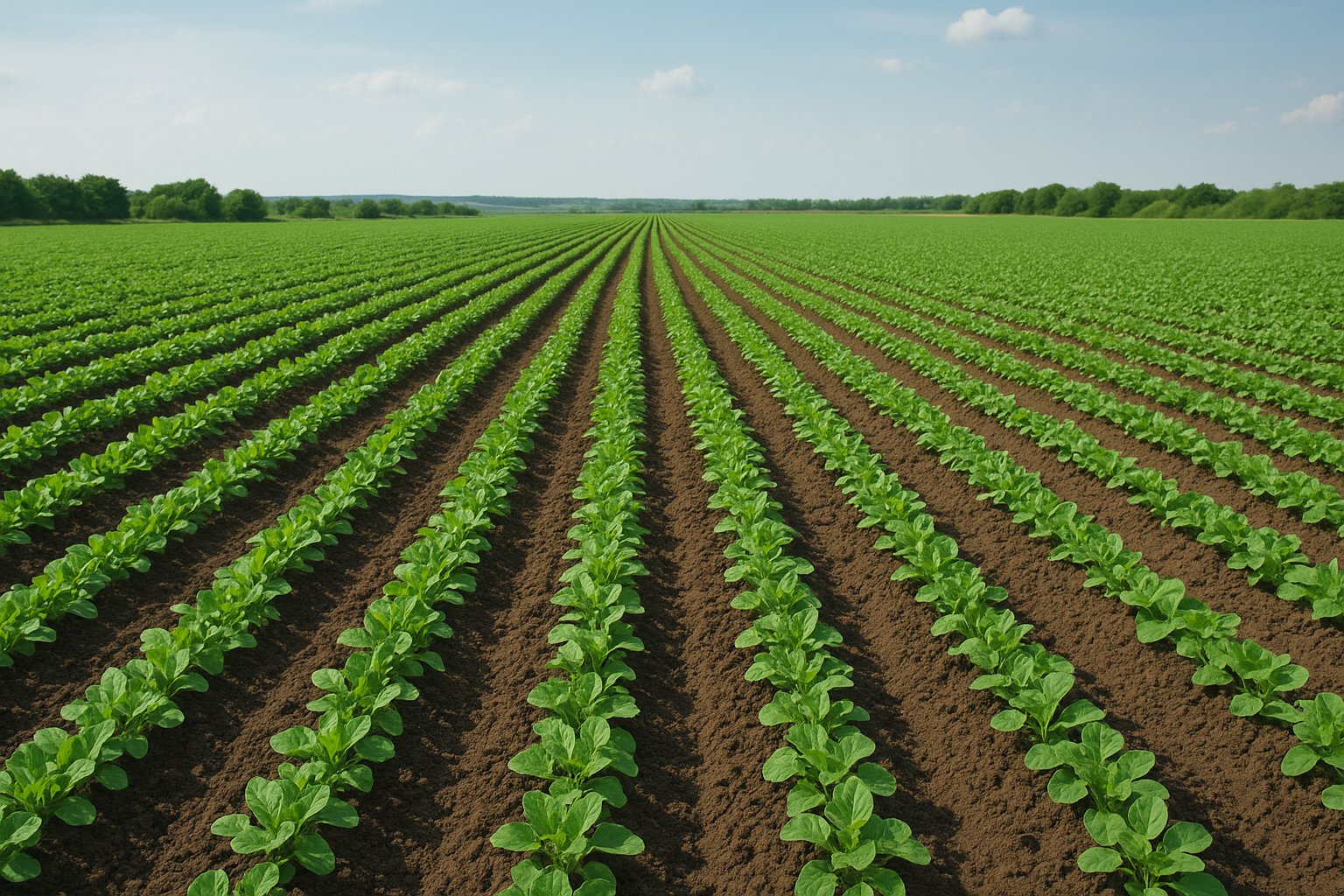
Millet
Pennisetum glaucum
Millet is one of the world’s oldest cultivated grains, prized for its hardiness, nutritional value, and versatility. It has been grown for thousands of years in Africa and Asia, where it remains a staple food for millions of people.
Millet: The Resilient and Nutritious Grain
Millet is one of the world’s oldest cultivated grains, prized for its hardiness, nutritional value, and versatility. It has been grown for thousands of years in Africa and Asia, where it remains a staple food for millions of people. In Botswana and other semi-arid regions, millet continues to play a vital role in ensuring food security due to its ability to thrive in poor soils and withstand long dry periods.
Botanical Overview
Millet refers to a group of small-seeded grasses belonging to the Poaceae family. The most common varieties include pearl millet (Pennisetum glaucum), finger millet (Eleusine coracana), foxtail millet (Setaria italica), and proso millet (Panicum miliaceum). Among these, pearl millet is the most widely grown in Botswana due to its excellent drought tolerance and adaptability to sandy soils.
Growing Conditions
Millet is well-suited for dryland farming and performs best in areas with low to moderate rainfall (300–600 mm per year). It prefers sandy loam soils with good drainage and a pH between 5.5 and 7.0. The crop can be planted at the onset of rains and generally matures within 70 to 120 days, depending on the variety. Minimal fertilizer input is required, making millet a cost-effective option for smallholder farmers.
Nutritional Benefits
Millet is a powerhouse of nutrition. It is rich in carbohydrates, dietary fiber, and essential minerals such as iron, magnesium, phosphorus, and potassium. Unlike many other cereals, it is gluten-free, making it ideal for people with gluten intolerance or celiac disease. Millet also contains high-quality plant protein and antioxidants that promote overall health and reduce the risk of chronic diseases.
Uses and Economic Importance
Millet is consumed in various forms — as traditional porridge, bread, or malted beverages. It is also used as animal feed and in brewing local beers. In recent years, the growing demand for healthy and sustainable foods has led to renewed global interest in millet as a “climate-smart” grain. Its resilience to harsh weather conditions makes it a strategic crop for food security in the face of climate change.
Conclusion
Millet stands as a symbol of resilience and sustainability. For farmers in Botswana and beyond, it represents both a livelihood and a solution to food insecurity. By promoting millet cultivation and improving access to improved seed varieties and markets, nations can build a more sustainable agricultural future.