
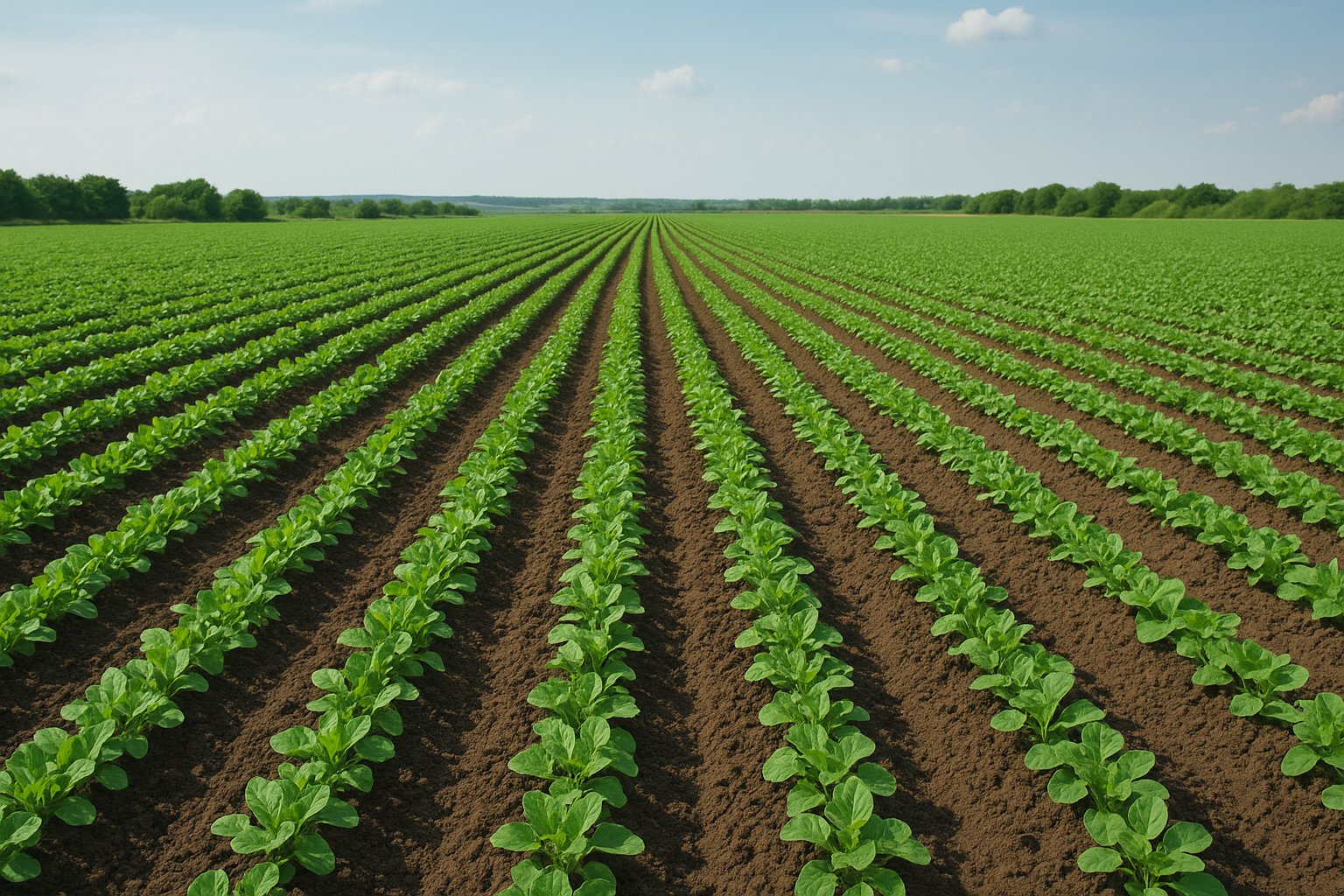
Sorghum
Sorghum bicolor
Drought-tolerant cereal; important in semi-arid zones.
Sorghum is one of the most important cereal crops in the world, particularly across Africa and Asia, where it serves as both a food and a fodder crop. Known for its remarkable adaptability to harsh environmental conditions, sorghum is a key crop for food security in semi-arid regions such as Botswana. It thrives where other cereals like maize struggle, making it a vital component of sustainable agriculture.
Botanical Overview
Sorghum (Sorghum bicolor) belongs to the Poaceae family, the same family as maize, rice, and wheat. It is a tall grass with a central stalk bearing grain heads that contain small, rounded seeds of varying colors — white, red, brown, or black — depending on the variety. Sorghum is classified into different types, including grain sorghum, forage sorghum, sweet sorghum, and broomcorn, each grown for distinct purposes.
Growing Conditions
Sorghum is exceptionally drought-tolerant and well-suited for dry, hot climates with annual rainfall between 400 and 800 mm. It grows well in a wide range of soils, from sandy to clay loams, provided there is good drainage. The crop matures in about 90 to 120 days, depending on the variety and climate. Sorghum’s deep root system allows it to extract moisture and nutrients efficiently, making it one of the most reliable crops during dry spells.
Nutritional Benefits
Sorghum is rich in carbohydrates, protein, dietary fiber, and essential minerals such as iron, zinc, and phosphorus. It is also naturally gluten-free, making it suitable for people with gluten intolerance. Its antioxidant compounds help combat oxidative stress, while its high fiber content supports digestive health. Sorghum flour is increasingly used in health-conscious diets and gluten-free products worldwide.
Uses and Economic Importance
Sorghum is a multipurpose crop. The grain is ground into flour for porridge, bread, and traditional foods. In Botswana and other African countries, it is also used in brewing traditional beverages. The stalks and leaves provide excellent livestock fodder, while sweet sorghum varieties are grown for biofuel and syrup production. Industrial uses of sorghum continue to expand as the demand for sustainable raw materials grows.
Environmental and Agricultural Benefits
Sorghum contributes to climate resilience by maintaining productivity under high temperatures and water scarcity. Its low water requirement makes it an important crop for conservation agriculture and sustainable farming systems. By integrating sorghum into crop rotations, farmers can improve soil fertility and reduce pest pressures.
Conclusion
Sorghum represents a powerful balance between productivity, resilience, and sustainability. For farmers in Botswana, it offers both nutritional and economic value while preserving the environment. As climate change intensifies, sorghum will continue to play a crucial role in ensuring food security and promoting agricultural sustainability across the region.